
The field of molecular biology is at the forefront of modern medicine, offering profound insights into the genetic makeup and behavior of cells in health and disease. One of its most transformative tools is gene expression analysis—a method that allows researchers to determine which genes are active, by how much, and under what conditions. Particularly in cancer research, gene expression profiling is revolutionizing our understanding of tumor progression, treatment resistance, and patient-specific therapies.
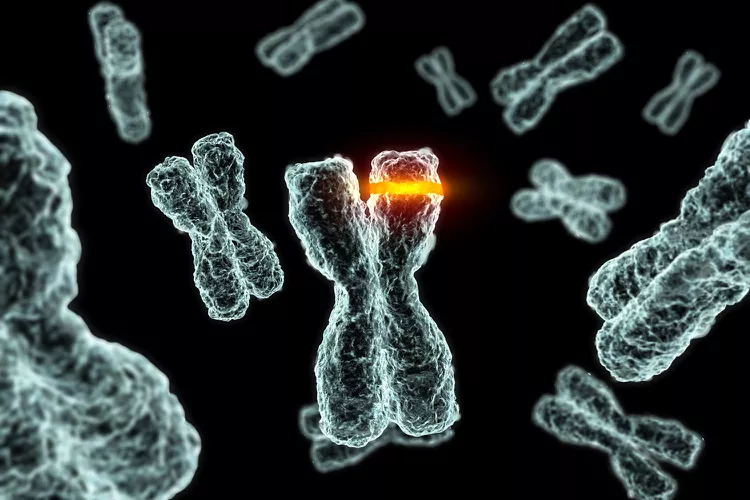
However, despite its global importance, gene expression analysis remains largely inaccessible or underutilized in many developing countries, where scientific infrastructure is limited and research is often hindered by high costs and lack of expertise.
At Mustafa Lab Technologies, we are on a mission to bridge this gap. By offering cost-effective, high-quality molecular biology solutions and technical support, we aim to empower researchers and healthcare professionals across resource-constrained settings—enabling them to explore gene expression with confidence and accuracy.
What Is Gene Expression Analysis?
To understand gene expression, consider each cell in the human body as a mini factory containing a set of instructions—its DNA. But not all instructions (genes) are used all the time. Cells “express” only the genes they need, depending on their function and environment.
Gene expression analysis involves measuring how much a gene is “turned on” (expressed) by quantifying messenger RNA (mRNA) levels. This is vital for identifying how cells respond to:
- Internal signals (like hormones)
- External stressors (like toxins or drugs)
- Disease conditions (especially cancer)
The workflow typically includes:
- RNA extraction from tissues or cells
- Reverse transcription of RNA into complementary DNA (cDNA)
- Quantitative PCR (qPCR), microarrays, or RNA sequencing to measure expression
- Bioinformatics analysis to interpret results and draw biological conclusions
In cancer, this helps identify biomarkers, monitor therapy response, and understand the behavior of tumor suppressor genes or oncogenes.
The Challenge: Why Gene Expression Research Faces Barriers
Despite being essential, gene expression analysis poses several technical and logistical challenges, especially in low- and middle-income countries (LMICs).
1. RNA Handling Requires Precision
RNA is extremely fragile and degrades easily. Extracting high-quality RNA requires:
- Cold chain logistics
- Specialized reagents
- Clean, contamination-free lab conditions
Many smaller research labs or hospital-based diagnostics centers struggle with maintaining these standards due to limited equipment or infrastructure.
2. High Cost of Reagents and Kits
Importing commercial RNA extraction kits or qPCR reagents from global brands can be prohibitively expensive. In some cases, the cost is tripled by customs duties, taxes, and shipping delays.
3. Lack of Technical Training
Even when equipment is available, many labs lack trained molecular biologists who can troubleshoot protocols, interpret data, and maintain quality control. As a result, valuable samples and funding are often wasted.
4. Data Analysis Bottlenecks
Generating gene expression data is just half the battle. The other half lies in bioinformatics—analyzing the data to produce meaningful insights. This requires specialized software and expertise that many researchers do not have easy access to.
5. Dependency on Foreign Suppliers
Delays in product delivery, lack of regional customer support, and absence of customization make researchers in LMICs overly dependent on suppliers abroad.
Mustafa Lab Technologies: Enabling Local Breakthroughs
At Mustafa Lab Technologies, we recognize these challenges not as barriers, but as opportunities to innovate locally and build a stronger molecular biology ecosystem. Our team of molecular pathologists, genomic scientists, and biotechnology experts has developed a comprehensive strategy to address every stage of the gene expression process—from sample to discovery.
Here’s how we’re supporting researchers and clinicians:
1. Reliable, Cost-Effective Molecular Kits
Our line of locally manufactured, performance-tested molecular kits includes:
- RNA extraction kits that yield high-integrity RNA even from difficult samples like FFPE tissues.
- cDNA synthesis kits optimized for sensitive and low-yield samples.
- qPCR master mixes compatible with standard and advanced thermocyclers.
Our kits meet international quality benchmarks while remaining affordable, accessible, and customizable for specific research needs.
2. Technical Training and Hands-On Workshops
We offer on-site training, virtual webinars, and step-by-step protocols tailored for:
- Undergraduate and postgraduate students
- New research labs
- Hospital diagnostic departments
Our focus is on capacity building: equipping scientists to confidently perform RNA-based experiments, troubleshoot effectively, and maintain reproducibility.
3. Bioinformatics Support for Expression Profiling
Generating raw data is not enough. Our dedicated team helps you with:
- Statistical analysis of qPCR data
- Heatmaps and cluster analysis
- Pathway enrichment and gene ontology analysis
- Custom reporting for publications or clinical insights
We ensure that even those without bioinformatics training can produce publication-ready figures and data interpretations.
4. Focus on Cancer Research: Breast, Lung, and Beyond
Cancer remains one of the top public health concerns in LMICs. Mustafa Lab has designed ready-to-use expression panels for genes implicated in breast, lung, colon, and blood cancers.
For example, our Breast Cancer Subtype Expression Panel targets genes such as:
- BRCA1/2
- HER2/ER/PR
- TP53 and Ki67
These panels help differentiate subtypes like Luminal A, Luminal B, HER2-enriched, and Triple-Negative Breast Cancer (TNBC)—enabling better diagnosis and treatment planning.
5. Building a Scientific Community
Beyond products and services, we are building a collaborative research network:
- Partnering with universities for student mentorship
- Co-authoring research papers
- Supporting grant proposals
- Connecting local scientists with global collaborators
Our goal is not only to provide tools, but to foster innovation, publication, and impact.
Real-World Success: From Samples to Science
Recently, a research group in Lahore investigating emotional stress biomarkers in metastatic breast cancer used our kits to extract RNA from patient blood samples. Despite limited infrastructure, they successfully performed qPCR, analyzed gene expression of stress markers like NR3C1, FKBP5, and IL-6, and submitted their findings to an international oncology journal—highlighting both the scientific validity and global relevance of their work.
Join the Movement: Let’s Democratize Molecular Research
Gene expression analysis is not just a technique—it’s a tool for empowerment, helping scientists make discoveries, clinicians improve diagnoses, and patients access better care.
At Mustafa Lab Technologies, we are committed to breaking down barriers and making molecular biology accessible for every lab, every researcher, and every patient—regardless of geography or budget.
📞 Let’s Collaborate
Are you a student, researcher, hospital lab, or university department looking to improve your gene expression capabilities?
📧 Email us at: info@mustafalab.com
🌐 Visit: www.mustafalab.com
📱 Follow our updates and training events on LinkedIn